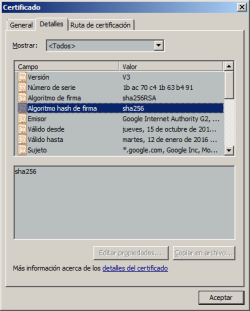
In 2016, tens of millions of people around the world will face trouble accessing some of the most common encrypted websites like Facebook, Google and Gmail, Twitter, and Microsoft sites.
Why? Because their browser or device will be unable to read the new, more secure certificates.
SHA1, the cryptographic hashing algorithm that's been at the heart of the web's security for a decade, will be retired in a little over a year. Some say it
could be cracked by the end of the year, essentially making it useless and
weakening security for millions of users.
Certificate authorities said they will respond by no longer issuing SHA1 certificates at midnight, January 1 2016, opting instead for SHA2 certificates. SHA2 is a significantly stronger algorithm that will last for many years to come. But there's a problem. A small but sizable portion of the internet's users don't have browsers or devices that are compatible with SHA2.