BSOD after updating video card

alexlomba87

New member
Local time
12:54 PM
Messages
7
Hi there,
I have again another bsod after an update. During my last session, I installed: the latest Nvidia Geforce GT 630 M drivers; Tomb Raider Videogame. The BSOD happened after about 10 minutes I opened the video game: I had a complete freeze so I had to force the shutdown. After that, this BSOD. This time I'm not even able to restore the system using a previous created system restore point.
The last thing I did was the rollback of the driver of the Geforce, with no results. Please find attached the zip folder created with the Diagnostic Tool.

Thanks in advance.
 

My Computer My Computer

At a glance

Windows 7 x64
OS
Windows 7 x64
Thanks for the information you have provided, but there seems to be one file missing, so please upload the file manually by following these steps:

System Info:

  1. Start :orb:
  2. Type: cmd > Right-Click > Run As Admin
  3. Type: systeminfo.exe>C:\systeminfo.txt
  4. Upload in your next post
 

My Computer My Computer

Computer type
Laptop
Sorry for that. Please find attached the missing file; I've also updated the zip folder in my previous post with the file.
 

My Computer My Computer

At a glance

Windows 7 x64
OS
Windows 7 x64
Thanks for the added file :)

BSOD Analysis:

Code:
[COLOR="Red"]BugCheck C2[/COLOR], {[COLOR="Blue"]7[/COLOR], 109b, 4200022, [COLOR="SeaGreen"]fffffa800c3948b0[/COLOR]}

*** WARNING: Unable to verify timestamp for btmhsf.sys
*** ERROR: Module load completed but symbols could not be loaded for btmhsf.sys
GetPointerFromAddress: unable to read from fffff800036b3100
GetUlongFromAddress: unable to read from fffff800036b31c0
Probably caused by : [COLOR="Red"]btmhsf.sys[/COLOR] ( btmhsf+667b )

Code:
Usual causes:  Device driver, Memory

This bugcheck indicates that a thread has attempted to free the same pool allocation twice.

Code:
0: kd> [COLOR="SeaGreen"]!pool fffffa800c3948b0[/COLOR]
Pool page fffffa800c3948b0 region is Nonpaged pool
 fffffa800c394000 size:  140 previous size:    0  (Allocated)  Mmdi
 fffffa800c394140 size:   40 previous size:  140  (Free)       ....
 fffffa800c394180 size:  140 previous size:   40  (Allocated)  Mmdi
 fffffa800c3942c0 size:  140 previous size:  140  (Allocated)  Mmdi
 fffffa800c394400 size:  140 previous size:  140  (Allocated)  Mmdi
 fffffa800c394540 size:  140 previous size:  140  (Allocated)  Mmdi
[COLOR="Red"]*fffffa800c394680 size:  420 previous size:  140  (Free)      *MmCp[/COLOR]
		Pooltag MmCp : Colored page counts for physical memory allocations, Binary : nt!mm
 fffffa800c394aa0 size:  140 previous size:  420  (Allocated)  Mmdi
 fffffa800c394be0 size:   70 previous size:  140  (Free)       MmCp
 fffffa800c394c50 size:  130 previous size:   70  (Allocated)  btmh
 fffffa800c394d80 size:  140 previous size:  130  (Allocated)  Mmdi
 fffffa800c394ec0 size:  140 previous size:  140  (Allocated)  Mmdi

Code:
0: kd> [COLOR="SeaGreen"]!poolval fffffa800c3948b0[/COLOR]
Pool page fffffa800c3948b0 region is [COLOR="Blue"]Nonpaged pool[/COLOR]

Validating Pool headers for pool page: fffffa800c3948b0

Pool page [ fffffa800c394000 ] is VALID.

The pool page doesn't seem to have any corruption or buffer overruns, which leads to more of a driver related cause. The pool allocation which seems to have been freed twice is related to the Memory Manager.

Code:
0: kd>[COLOR="SeaGreen"] k[/COLOR]
Child-SP          RetAddr           Call Site
fffff880`033aeb98 fffff800`035aebe9 nt!KeBugCheckEx
fffff880`033aeba0 fffff880`0ffad67b [COLOR="Red"]nt!ExDeferredFreePool+0x1201[/COLOR]
fffff880`033aec50 00000000`00000500 [COLOR="Red"]btmhsf+0x667b[/COLOR]
fffff880`033aec58 0000057f`00000000 0x500
fffff880`033aec60 fffffa80`004d6253 0x0000057f`00000000
fffff880`033aec68 fffffa80`0b662000 0xfffffa80`004d6253
fffff880`033aec70 fffff800`035f6e80 0xfffffa80`0b662000
fffff880`033aec78 0000057f`f4dc72c8 nt!KiInitialPCR+0x180
fffff880`033aec80 fffffa80`0b238d50 0x0000057f`f4dc72c8
fffff880`033aec88 fffffa80`0b238d50 0xfffffa80`0b238d50
fffff880`033aec90 00000000`00000001 0xfffffa80`0b238d50
fffff880`033aec98 fffff880`00f70c70 0x1
fffff880`033aeca0 00000000`00000000 Wdf01000!FxWmiIrpHandler::m_WmiDispatchTable+0x1030

-----------------------------------------------------------

Code:
0: kd> [COLOR="SeaGreen"]lmvm btmhsf[/COLOR]
start             end                 module name
fffff880`0ffa7000 fffff880`0fff0000   btmhsf   T (no symbols)           
    Loaded symbol image file: btmhsf.sys
    Image path: \SystemRoot\system32\DRIVERS\btmhsf.sys
    Image name: btmhsf.sys
    Timestamp:        [COLOR="Magenta"][COLOR="Red"]Thu Jan 20 12:27:56 2011[/COLOR][/COLOR] (4D382A4C)
    CheckSum:         00048375
    ImageSize:        00049000
    Translations:     0000.04b0 0000.04e4 0409.04b0 0409.04e4

Your Intel Proset Bluetooth HighSpeed Filter Driver seems to be a possible cause and potentially outdated, please update the driver from here - https://downloadcenter.intel.com/default.aspx?iid=gg_support-EN_01+home_downloadctr
 

My Computer My Computer

Computer type
Laptop
Remove:

Code:
Start Menu\Programs\AVG

AVG is known to cause problems with Windows 7, please remove the program completely with the AVG Removal Tool, and then install and run full scans with these free and proven alternatives which work best with the operating system, due to their compatibility and lightweight nature on system resources.

Install and perform full scans with:
   Information
Remember to install the free version of Malwarebytes not the free trail; untick the free trial box during installation. MSE is the most lightweight and compatible with the Windows 7 operating system

You can also view this thread for a complete free and lightweight security protection combination:
Remove:

Code:
Start Menu\Programs\DAEMON Tools Lite

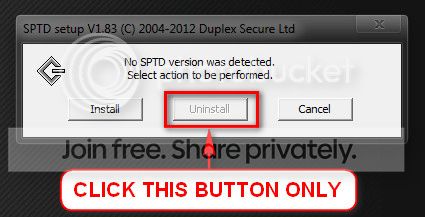
Download SPTD standalone installer from Disk-Tools.com, and execute the downloaded file as guided below :

  • Double click to open it.
  • Click this button only:
  • 2012-12-13_224441.jpg
  • If it is grayed out, as in the picture, there is no more SPTD in your system, and you just close the window.

Daemon Tools uses a driver called sptd.sys, which is known to cause BSODs with Windows 7. It is recommend you remove this program, and use Windows own in-built features or ImgBurn.

Remove:

Code:
Start Menu\Programs\ASUS
Start Menu\Programs\ASUS\ASUS WebStorage
Start Menu\Programs\ASUS\AsusVibe
Start Menu\Programs\ASUS Utility
Start Menu\Programs\ASUS Utility\ASUS Splendid Utility
Start Menu\Programs\ASUS Utility\SmartLogon

This is factory bloatware, which slows down and corrupts your system, ASUS bloatware are very well known to cause problems such as BSODs.

Reduce the number of programs at startup, to avoid any driver or program conflicts:
 

My Computer My Computer

Computer type
Laptop
Thank you so much x BlueRobot. The problem was actually AVG. I had previous BSOD problems that happened after some windows update, so I related the problems, since I made the video card update during my last session. A simple unistall with the remove tool was more than useful. Now I'll stick with Essentials, for sure. Thank you again.
 

My Computer My Computer

At a glance

Windows 7 x64
OS
Windows 7 x64
Welcome, glad to be able to help, I would also suggest updating the Intel driver if you haven't done so. Leave this thread open for a week and then if you have no further problems mark the thread as solved.
 

My Computer My Computer

Computer type
Laptop
Back
Top