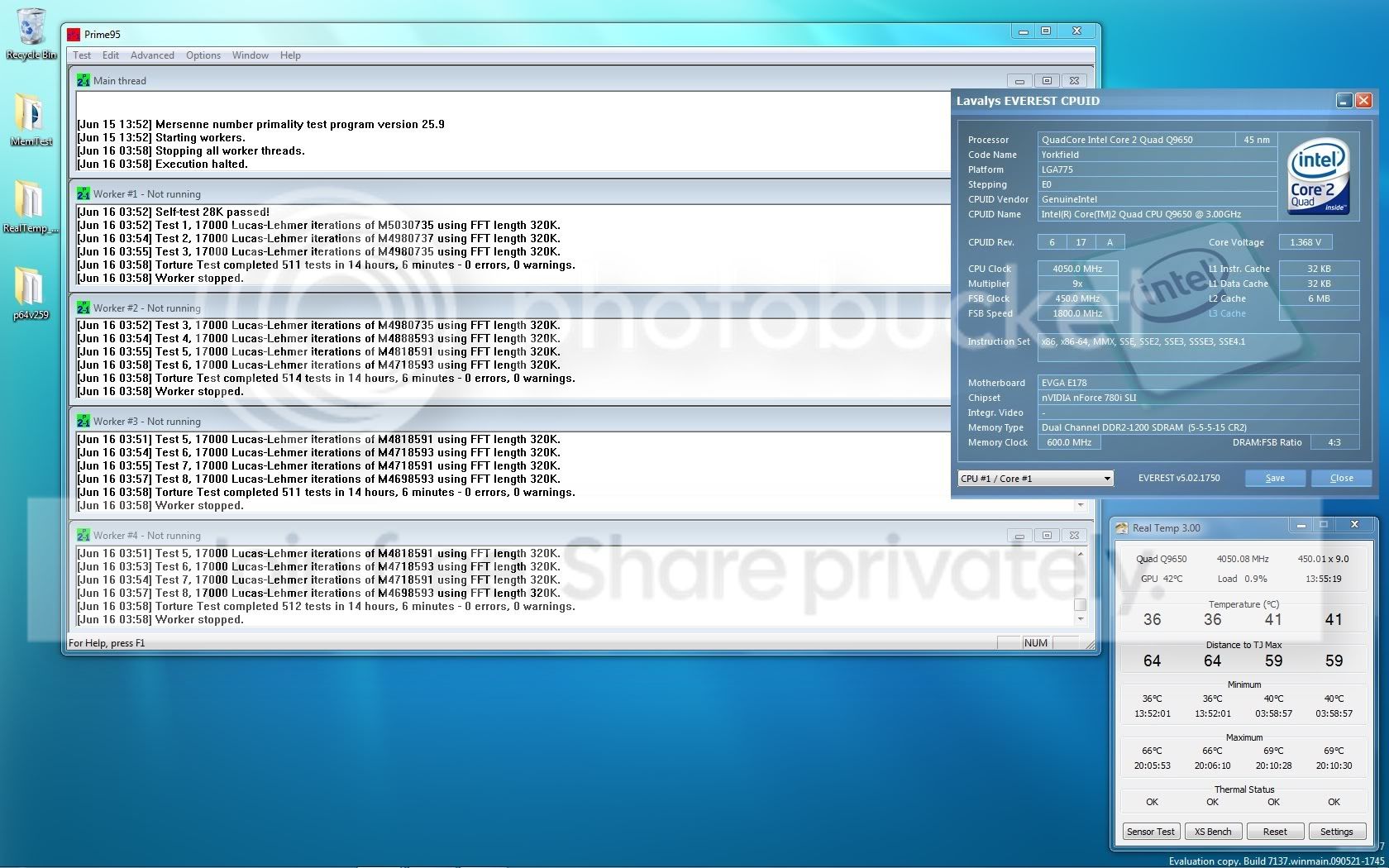
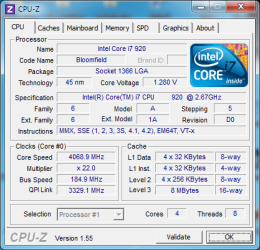
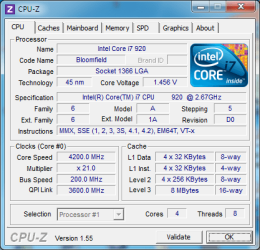
I would argue for longer testing times for a few reasons:
1) It is a tougher test, and therefor more likely to show errors
2) You know it will always be stable no matter what you do (mostly anyways) and if you suddenly DO need to run some encoding (or whatever) for 10 hours, you won't need to worry.
3) Running it for 10 minutes to an hour may not show errors you may get running a game for an hour or encoding for an hour.
Again, it is more opinion than anything else, but I see no reason NOT to run it for 12 hours as a check.
~Lordbob
1) It is a tougher test, and therefor more likely to show errors
2) You know it will always be stable no matter what you do (mostly anyways) and if you suddenly DO need to run some encoding (or whatever) for 10 hours, you won't need to worry.
3) Running it for 10 minutes to an hour may not show errors you may get running a game for an hour or encoding for an hour.
Again, it is more opinion than anything else, but I see no reason NOT to run it for 12 hours as a check.
~Lordbob
My Computer
At a glance
Windows 7 Ultimate x64, Mint 9Intel i5-2500k2x 4Gb Corsair VENGEANCE DDR3-1600NVidia GeForce N260GTX Twin Frozr
- Computer Manufacturer/Model Number
- Hera
- OS
- Windows 7 Ultimate x64, Mint 9
- CPU
- Intel i5-2500k
- Motherboard
- ASUS P8P67 Pro
- Memory
- 2x 4Gb Corsair VENGEANCE DDR3-1600
- Graphics Card(s)
- NVidia GeForce N260GTX Twin Frozr
- Sound Card
- Realtek HD OnBoard Audio
- Monitor(s) Displays
- ASUS 24" Monitor
- Screen Resolution
- 1920x1080
- Hard Drives
- G.SKILL Phoenix Series 60GB SATA II MLC Internal Solid State Drive (SSD)
SAMSUNG Spinpoint F3R 1TB 7200 RPM 32MB Cache SATA II
- PSU
- Cooler Master Real Power Pro 750W
- Case
- Cooler Master Haf 932
- Cooling
- Fans
- Keyboard
- Razer Tarantula
- Mouse
- Razer Lachesis
- Internet Speed
- not fast enough




 , what cooling do you have?