Troubleshooting Windows 7 Failure to Start
1. Via the F8 Advanced Boot Options menu, choose the "Last Known Good Configuration" option to attempt to return the machine to a working state. This is a quick operation that is often useful when non-booting is due to a recent system change.
2. Boot into System Recovery Options via the F8 Advanced Boot Options menu or disk as shown in blue link tutorial, open a Command Line to run a full Disk Check (chkdsk /f) on both the System partition and Windows partition (if they're not one and the same).
On a Legacy install to MBR disk, confirm the Partition Marked Active is the 100mb System Reserved (preferred if you have it) or Windows 7 partition (if you don't), run Startup Repair repeatedly up to 3 separate times with reboots in between each - no matter what it reports. If both the System Active and Win7 partitions are on the same hard drive then unplug all other drives to do these repairs.
On some PC's the Recovery partition or an earlier installed OS used in a Dual Boot will hold the Active flag. If another partition than System Reserved or C holds the Active flag and you know this is how it was set up, then go ahead with the repairs. If not skip to Step 9 to get more help since Win7 will not repair unless the correct partition is Set Active. Only the System partition booting the OS should be marked Active.
A UEFI install to GPT disk must have its installation media or Repair CD booted as a UEFI device. A UEFI install has a EFI System partition instead of System Reserved, and a (hidden) MSR partition, can only boot from a GPT disk. Confirm using Diskpart commands or free Partition Wizard CD that these partitions are intact and run Disk Check on all of them including Win7 partition. Then from System Recovery Options run Startup Repair and if necessary System Restore.
Make sure the Win7 HD is set first to boot in BIOS setup. Trigger the boot disk or stick using the one-time BIOS Boot Menu key given on first screen:
Asus - F8
HP/Compaq - Esc
Sony - F2
Acer - F12
Gateway - F10
eMachines - F10
Toshiba - F12
Dell - F12
IBM/Lenovo - the blue Thinkvantage button, or OneKey button next to Power button.
If you need a Win7 disk to boot you can burn a System Repair Disk on another Win7 PC as long as it has the same 32- or 64-bit version, use an enhanced Repair disk available for download at Easy Recovery Essentials, or refer to Step 1 in Clean Reinstall Windows 7 for installation media which contains repair System Recovery Options or if necessary can be used for reinstall.
3. If Recovery options will not run Boot into BIOS setup by tapping the key given for this on first boot screen, check that Win7 hard drive is detected under Storage or Boot Priority order (usually by its Serial which you can google to find maker) and set to boot first. If not check over all cables and connections, or for a laptop check that it is seated firmly in its bay. If you cannot get the hard drive to show up in BIOS setup, then replace its cable or the drive itself.
For a UEFI install to GPT disk the first boot device will be Windows Boot Manager.
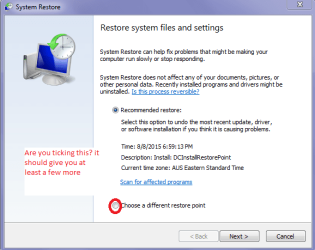
4. If Startup Repairs fail, try running System Restore from System Recovery Options list working chronologically backward to find a bootable configuration. If those fail, from Recovery Options open a Command Line to run a full Disk Check (Option Two) of the System partition and Win7 partition, then SFC -SCANNOW Run in Command Prompt at Boot.
5. If no installation shows up to repair on an MBR (non-UEFI) install when booting into DVD System Recovery Options or Repair CD, or Startup Repair won't work after several tries, click through to System Recovery Options, open a Command Line to run these commands which should take care of corrupted boot records and blinking cursor problems:
Reboot to see if it starts and if not run the additional commands in Bootrec.exe Tool - How to Use in Windows Recovery Environment to export and rebuild the BCD.
7. Try booting into Safe Mode with Networking to install, update and run a full malware scan with Malwarebytes followed by SFC /SCANNOW Command to repair any System File damage malware has done. If you cannot get into Safe Mode then you can also try booting to run a full scan with one of the FREE Bootable AntiVirus Rescue CDs - Download List .
8. If running Malwarebytes in Safe Mode with Networking or AV boot disk scan does not work to rule out malware as a cause for the computer not starting, the Recovery Environment (RE) is an available option to disinfect Windows 7. At this point the assistance of the System Security forum can be requested to provide guidance on a diagnostic tool to run a scan in the RE(covery) environment. Scan results will determine the next course of action.
9. To see a picture of your drive map with listings, download free Partition Wizard bootable CD to burn to CD with Windows Image Burner or write to flash stick. Boot to Explore C to see if your files are intact, post back a camera snap of drive map here for more help since often the problem is obvious to us. Screenshots and Files - Upload and Post in Seven Forums - Windows 7 Forums
Make sure in a MBR install that the 100mb System Reserved partition (preferred if you have it) or Win7 partition (if you don't) is marked Active: How to Set Active/Inactive partition -Partition Wizard Video Help. A UEFI install will have an EFI System partition on a GPT formatted disk and no Active flag.
For MBR install, click on Disk # to highlight it, from Disk tab select Rebuild MBR, then Apply: Partition Wizard Rebuild MBR - Video Help.
If Windows 7 doesn't start run Startup Repair 3 Separate Times. If marking 100mb Active fails to Repair x3, then mark Win7 partition itself Active and try above steps again.
Without the Partition Wizard CD you would Mark Partition Active (Method Two) from DVD/Repair CD System Recovery Options then run the 3 Startup Repairs.
Sometimes a deleted/missing partition can be restored by PW Partition Recovery Wizard.
10. Using the Partition Wizard CD you can also try a last-resort fix that often works for me when the boot files are corrupted beyond repair: Delete the System Reserved 100mb partition, or if you don't have one shrink C from the left by 200mb using Partition Wizard to Resize Partition. In that space use Partition Wizard to Create a Primary Partition which you Mark Active. Reboot into Win7 disk or System Repair Disk to run Startup Repair - Run 3 Separate Times which should on the first attempt write the boot files, on the second attempt make partition bootable when it notices it is not, and possibly need a third attempt to complete all repairs including writing System Recovery Options to the F8 Advanced Boot Options.
11. If the problem is in the registry but Last Known Good Configuration (Step 1) failed to complete, the registry may be restored manually from Windows' automatic backup. The full procedure is shown in detail at Startup Repair Infinite Loop Recovery, however for advanced users it essentially involves navigating to C:/Windows/System32/Config in the command line of a WinRE boot disk (where "C" refers to the drive with the Windows installation), backing up (or renaming) the existing Registry files, then going to the RegBack subfolder and copying the Registry backup files there over to the Config folder. This will only help if the backed up Registry files are older than the current problem. It actually is easier to perform this operation via the graphical interface of a Linux boot disk (see Peppermint3 - Create Live CD/DVD/USB To Use For Emergency Backup - Windows 7 Forums for how to make one). This and other key repairs have now been automated by NeoSmart in https://neosmart.net/wiki/startup-repair-infinite-loop/ enhanced Win7 Repair CD.
12. If these all fail you can copy out your data using your Windows 7 installation media or System Repair Disk using this method to Copy & Paste - in Windows Recovery Console, or Paragon rescue disk burned to CD with Windows Image Burner, or a Linux boot disk like Peppermint3 - Create Live CD/DVD/USB To Use For Emergency Backup.
12. Then run Factory Recovery from its partition following steps you can find by googling, in the Manual on your computer maker's Support Downloads webpage or in this list of Recovery Methods, disks you made or order from computer maker's Tech Support.
However recovering the factory install is one of the worst installs of Win7 one can have, larded with bloatware and duplicate utilities that interfere with better versions built into Win7. To get the best possible install instead, follow these steps to do a Clean Reinstall Windows 7 which compiles everything that works best for Win7 based on tens of thousands of installs we've helped with here. Over 1.5 million consumers have done the reinstall in that tutorial without a single complaint or return problem - just stick with only the tools and methods given.
If you can't boot disks or flash stick most of the time it's due to User failure. Set the Hard Drive as first device to boot in BIOS setup then trigger the disk or flash stick using the one-time BIOS Boot menu key given on first screen or in Step 9 above. If no such key or key doesn't work then set DVD drive first to boot in BIOS setup, Save changes, exit. How to Boot A Computer from CD or DVD - YouTube
Place DVD/CD in drive, reboot. Do you receive the prompt to "Press any key to boot disk?" If not the disk may not be burned correctly. Try ImgBurn at 4x speed. More information on obtaining and confirming Win7 media in Clean Reinstall Windows 7 Step 1.
Flash stick may be listed under USB, Removable or Hard Drives and often requires expanding + one of these to see all choices, is normally listed by brand name. For UEFI installs Flash stick must be specially formatted using Option One from UEFI Bootable USB Flash Drive - Create in Windows .
Reset the BIOS to defaults after taking note of SATA controller setting: Clear CMOS - 3 Ways to Clear the CMOS - Reset BIOS. Try booting stick or disk again.
Try booting flash stick installer for OS repairs or reinstall, Partition Wizard repairs. If these fail try unplugging DVD drive.
As a last resort you can replace the DVD drive, or rescue your files with Paragon Rescue CD which will autostart from boot to rescue files, then boot Partition Wizard bootable CD which will also boot itself to wipe the HD, which will in turn force the installer to boot itself for reinstall. If disk boot failure persists after forced reinstall then try updating the BIOS, or reflash the latest BIOS version.
For further help post your issue with a descriptive title in General forum here.
Special thanks to Anshad Edavana for re-sequencing Step 5 repair commands, top BCD expert and EasyBCD author Mahmoud Al-Qudsi for important input to Step 2, and paul1149 for contributing Steps 1 and 11 regback restore of boot files.
Information
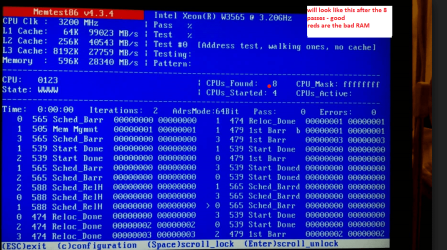
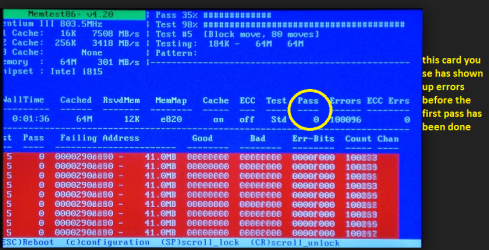
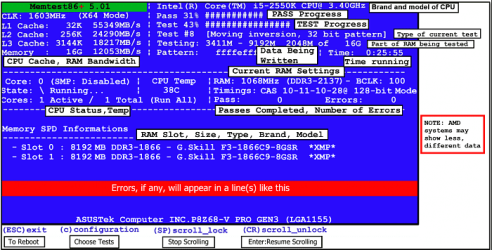
These steps will attempt to repair the OS using repairs via System Recovery Options and then everything else possible to get it started. It does not cover hardware problems which might be indicated if these steps fail to run and can be tested using Memtest86+ to Test RAM for 5-6 passes, and HD Maker's HD Diagnostic Extended CD scan followed by Disk Check from System Recovery Options Command Line, after checking that HD is detected in BIOS setup.
Warning
If you have files that need urgent rescue because they are not backed up then you may wish to start with Step 12 because in rare cases (e.g. on a failing hard drive) they may become inaccessible due to the strain of repairs
Please read through all steps before beginning as you may wish to start with one that seems to apply more. Feel free to ask back any questions in Comments section or start your own descriptive thread.
Please read through all steps before beginning as you may wish to start with one that seems to apply more. Feel free to ask back any questions in Comments section or start your own descriptive thread.
1. Via the F8 Advanced Boot Options menu, choose the "Last Known Good Configuration" option to attempt to return the machine to a working state. This is a quick operation that is often useful when non-booting is due to a recent system change.
2. Boot into System Recovery Options via the F8 Advanced Boot Options menu or disk as shown in blue link tutorial, open a Command Line to run a full Disk Check (chkdsk /f) on both the System partition and Windows partition (if they're not one and the same).
On a Legacy install to MBR disk, confirm the Partition Marked Active is the 100mb System Reserved (preferred if you have it) or Windows 7 partition (if you don't), run Startup Repair repeatedly up to 3 separate times with reboots in between each - no matter what it reports. If both the System Active and Win7 partitions are on the same hard drive then unplug all other drives to do these repairs.
On some PC's the Recovery partition or an earlier installed OS used in a Dual Boot will hold the Active flag. If another partition than System Reserved or C holds the Active flag and you know this is how it was set up, then go ahead with the repairs. If not skip to Step 9 to get more help since Win7 will not repair unless the correct partition is Set Active. Only the System partition booting the OS should be marked Active.
A UEFI install to GPT disk must have its installation media or Repair CD booted as a UEFI device. A UEFI install has a EFI System partition instead of System Reserved, and a (hidden) MSR partition, can only boot from a GPT disk. Confirm using Diskpart commands or free Partition Wizard CD that these partitions are intact and run Disk Check on all of them including Win7 partition. Then from System Recovery Options run Startup Repair and if necessary System Restore.
Make sure the Win7 HD is set first to boot in BIOS setup. Trigger the boot disk or stick using the one-time BIOS Boot Menu key given on first screen:
Asus - F8
HP/Compaq - Esc
Sony - F2
Acer - F12
Gateway - F10
eMachines - F10
Toshiba - F12
Dell - F12
IBM/Lenovo - the blue Thinkvantage button, or OneKey button next to Power button.
If you need a Win7 disk to boot you can burn a System Repair Disk on another Win7 PC as long as it has the same 32- or 64-bit version, use an enhanced Repair disk available for download at Easy Recovery Essentials, or refer to Step 1 in Clean Reinstall Windows 7 for installation media which contains repair System Recovery Options or if necessary can be used for reinstall.
3. If Recovery options will not run Boot into BIOS setup by tapping the key given for this on first boot screen, check that Win7 hard drive is detected under Storage or Boot Priority order (usually by its Serial which you can google to find maker) and set to boot first. If not check over all cables and connections, or for a laptop check that it is seated firmly in its bay. If you cannot get the hard drive to show up in BIOS setup, then replace its cable or the drive itself.
For a UEFI install to GPT disk the first boot device will be Windows Boot Manager.
4. If Startup Repairs fail, try running System Restore from System Recovery Options list working chronologically backward to find a bootable configuration. If those fail, from Recovery Options open a Command Line to run a full Disk Check (Option Two) of the System partition and Win7 partition, then SFC -SCANNOW Run in Command Prompt at Boot.
5. If no installation shows up to repair on an MBR (non-UEFI) install when booting into DVD System Recovery Options or Repair CD, or Startup Repair won't work after several tries, click through to System Recovery Options, open a Command Line to run these commands which should take care of corrupted boot records and blinking cursor problems:
Code:
[B]Bootrec /Fixboot[/B]
[B]Bootrec /Fixmbr[/B]
[B]Bootsect /nt60 all /MBR[/B]7. Try booting into Safe Mode with Networking to install, update and run a full malware scan with Malwarebytes followed by SFC /SCANNOW Command to repair any System File damage malware has done. If you cannot get into Safe Mode then you can also try booting to run a full scan with one of the FREE Bootable AntiVirus Rescue CDs - Download List .
8. If running Malwarebytes in Safe Mode with Networking or AV boot disk scan does not work to rule out malware as a cause for the computer not starting, the Recovery Environment (RE) is an available option to disinfect Windows 7. At this point the assistance of the System Security forum can be requested to provide guidance on a diagnostic tool to run a scan in the RE(covery) environment. Scan results will determine the next course of action.
9. To see a picture of your drive map with listings, download free Partition Wizard bootable CD to burn to CD with Windows Image Burner or write to flash stick. Boot to Explore C to see if your files are intact, post back a camera snap of drive map here for more help since often the problem is obvious to us. Screenshots and Files - Upload and Post in Seven Forums - Windows 7 Forums
Make sure in a MBR install that the 100mb System Reserved partition (preferred if you have it) or Win7 partition (if you don't) is marked Active: How to Set Active/Inactive partition -Partition Wizard Video Help. A UEFI install will have an EFI System partition on a GPT formatted disk and no Active flag.
For MBR install, click on Disk # to highlight it, from Disk tab select Rebuild MBR, then Apply: Partition Wizard Rebuild MBR - Video Help.
If Windows 7 doesn't start run Startup Repair 3 Separate Times. If marking 100mb Active fails to Repair x3, then mark Win7 partition itself Active and try above steps again.
Without the Partition Wizard CD you would Mark Partition Active (Method Two) from DVD/Repair CD System Recovery Options then run the 3 Startup Repairs.
Sometimes a deleted/missing partition can be restored by PW Partition Recovery Wizard.
10. Using the Partition Wizard CD you can also try a last-resort fix that often works for me when the boot files are corrupted beyond repair: Delete the System Reserved 100mb partition, or if you don't have one shrink C from the left by 200mb using Partition Wizard to Resize Partition. In that space use Partition Wizard to Create a Primary Partition which you Mark Active. Reboot into Win7 disk or System Repair Disk to run Startup Repair - Run 3 Separate Times which should on the first attempt write the boot files, on the second attempt make partition bootable when it notices it is not, and possibly need a third attempt to complete all repairs including writing System Recovery Options to the F8 Advanced Boot Options.
11. If the problem is in the registry but Last Known Good Configuration (Step 1) failed to complete, the registry may be restored manually from Windows' automatic backup. The full procedure is shown in detail at Startup Repair Infinite Loop Recovery, however for advanced users it essentially involves navigating to C:/Windows/System32/Config in the command line of a WinRE boot disk (where "C" refers to the drive with the Windows installation), backing up (or renaming) the existing Registry files, then going to the RegBack subfolder and copying the Registry backup files there over to the Config folder. This will only help if the backed up Registry files are older than the current problem. It actually is easier to perform this operation via the graphical interface of a Linux boot disk (see Peppermint3 - Create Live CD/DVD/USB To Use For Emergency Backup - Windows 7 Forums for how to make one). This and other key repairs have now been automated by NeoSmart in https://neosmart.net/wiki/startup-repair-infinite-loop/ enhanced Win7 Repair CD.
12. If these all fail you can copy out your data using your Windows 7 installation media or System Repair Disk using this method to Copy & Paste - in Windows Recovery Console, or Paragon rescue disk burned to CD with Windows Image Burner, or a Linux boot disk like Peppermint3 - Create Live CD/DVD/USB To Use For Emergency Backup.
12. Then run Factory Recovery from its partition following steps you can find by googling, in the Manual on your computer maker's Support Downloads webpage or in this list of Recovery Methods, disks you made or order from computer maker's Tech Support.
However recovering the factory install is one of the worst installs of Win7 one can have, larded with bloatware and duplicate utilities that interfere with better versions built into Win7. To get the best possible install instead, follow these steps to do a Clean Reinstall Windows 7 which compiles everything that works best for Win7 based on tens of thousands of installs we've helped with here. Over 1.5 million consumers have done the reinstall in that tutorial without a single complaint or return problem - just stick with only the tools and methods given.
Information
If you can't boot disks or flash stick most of the time it's due to User failure. Set the Hard Drive as first device to boot in BIOS setup then trigger the disk or flash stick using the one-time BIOS Boot menu key given on first screen or in Step 9 above. If no such key or key doesn't work then set DVD drive first to boot in BIOS setup, Save changes, exit. How to Boot A Computer from CD or DVD - YouTube
Place DVD/CD in drive, reboot. Do you receive the prompt to "Press any key to boot disk?" If not the disk may not be burned correctly. Try ImgBurn at 4x speed. More information on obtaining and confirming Win7 media in Clean Reinstall Windows 7 Step 1.
Flash stick may be listed under USB, Removable or Hard Drives and often requires expanding + one of these to see all choices, is normally listed by brand name. For UEFI installs Flash stick must be specially formatted using Option One from UEFI Bootable USB Flash Drive - Create in Windows .
Reset the BIOS to defaults after taking note of SATA controller setting: Clear CMOS - 3 Ways to Clear the CMOS - Reset BIOS. Try booting stick or disk again.
Try booting flash stick installer for OS repairs or reinstall, Partition Wizard repairs. If these fail try unplugging DVD drive.
As a last resort you can replace the DVD drive, or rescue your files with Paragon Rescue CD which will autostart from boot to rescue files, then boot Partition Wizard bootable CD which will also boot itself to wipe the HD, which will in turn force the installer to boot itself for reinstall. If disk boot failure persists after forced reinstall then try updating the BIOS, or reflash the latest BIOS version.
For further help post your issue with a descriptive title in General forum here.
Special thanks to Anshad Edavana for re-sequencing Step 5 repair commands, top BCD expert and EasyBCD author Mahmoud Al-Qudsi for important input to Step 2, and paul1149 for contributing Steps 1 and 11 regback restore of boot files.
Related Tutorials
- How to Open Troubleshooting in Windows 7
- How to Create a Windows 7 Troubleshooting Shortcut
- How to Create a Aero Troubleshoot Shortcut in Windows 7
- How to Create a Connection to Workplace using DirectAccess Troubleshoot Shortcut in Windows 7
- How to Create a Devices and Printers Troubleshoot Shortcut in Windows 7
- How to Create a Hardware and Devices Troubleshoot Shortcut in Windows 7
- How to Create a HomeGroup Troubleshoot Shortcut in Windows 7
- How to Create a Incoming Connections Troubleshoot Shortcut in Windows 7
- How to Create a Internet Connections Troubleshoot Shortcut in Windows 7
- How to Create a Network Adapter Troubleshoot Shortcut in Windows 7
- How to Create a Performance Troubleshoot Shortcut in Windows 7
- How to Create a Playing Audio Troubleshoot Shortcut in Windows 7
- How to Create a Power Troubleshoot Shortcut in Windows 7
- How to Create a Printing Troubleshoot Shortcut in Windows 7
- How to Create a Program Compatibility Troubleshoot Shortcut in Windows 7
- How to Create a Recording Audio Troubleshoot Shortcut in Windows 7
- How to Create a Search and Indexing Troubleshoot Shortcut in Windows 7
- How to Create a Shared Folders Troubleshoot Shortcut in Windows 7
- How to Create a System Maintenance Troubleshoot Shortcut in Windows 7
- How to Create a Windows Media Player DVD Troubleshoot Shortcut in Windows 7
- How to Create a Windows Media Player Library Troubleshoot Shortcut in Windows 7
- How to Create a Windows Media Player Settings Troubleshoot Shortcut in Windows 7
- How to Create a Windows Update Troubleshoot Shortcut in Windows 7
Last edited: